
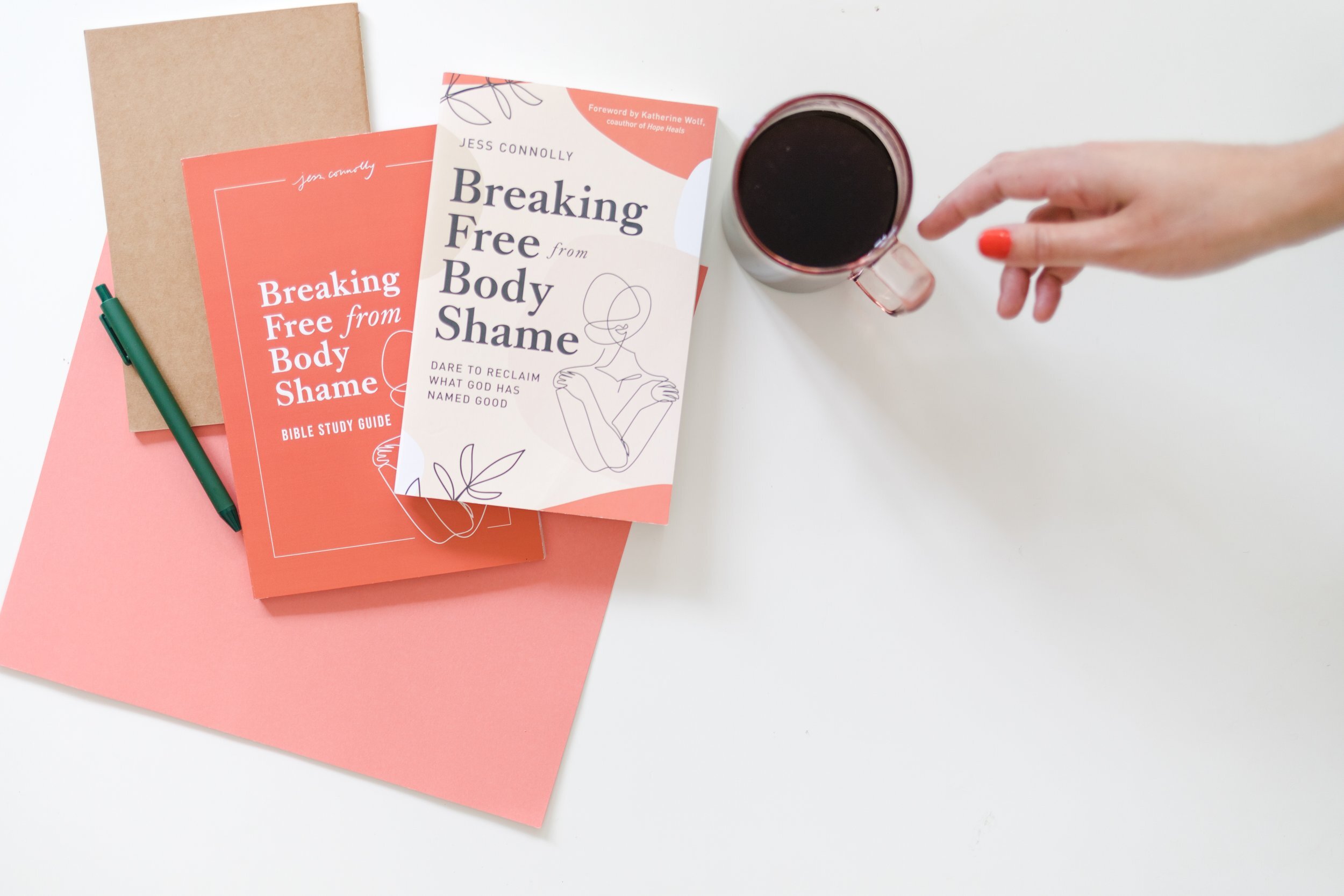
Are you tired of living with body shame and feeling trapped by societal pressures? Do you long to break free from the chains that weigh you down and embrace a healthier, more positive mindset about your body? If so, this Bible study is for you. In “Breaking Free From Body Shame,” we will explore powerful scriptures and biblical teachings that will help you find freedom, acceptance, and love for your body as God intended. Join us on this transformative journey and discover the joy and peace that come from embracing your true worth in Christ.
Embracing Freedom: Exploring Body Positivity through Bible Study
Breaking Free From Body Shame Bible Study
Introduction:
Welcome to the Breaking Free from Body Shame Bible Study! In this study, we will explore the topic of body shame through the lens of the Bible. We will examine how God views our bodies, the lies we believe about ourselves, and how we can find freedom from the bondage of body shame. Let’s dive into God’s Word together and discover His truth about our bodies.
Lesson 1: God’s Design for Our Bodies
In this lesson, we will explore the concept of God’s design for our bodies. We will look at passages such as Genesis 1:27, which teaches us that we are created in God’s image. This truth reminds us that our bodies are fearfully and wonderfully made. We will also examine 1 Corinthians 6:19-20, where Paul reminds us that our bodies are temples of the Holy Spirit. This highlights the importance of honoring and taking care of our bodies.
Lesson 2: Overcoming Comparison and Envy
Comparison and envy are common triggers for body shame. In this lesson, we will study passages like Psalm 139:14, which declares that we are fearfully and wonderfully made by God. This verse reminds us that we are unique and valuable in God’s eyes. We will also explore Galatians 6:4-5, where Paul encourages us to focus on our own actions and not compare ourselves to others. This reminds us that our worth is not determined by external appearances but by our relationship with God.
Lesson 3: Renewing Our Minds
Body shame often stems from negative thoughts and beliefs about our bodies. In this lesson, we will study Romans 12:2, which exhorts us to renew our minds and transform our thinking. This verse reminds us that we have the power to change our thought patterns and align them with God’s truth. We will also examine Philippians 4:8, where Paul encourages us to focus on things that are true, noble, right, pure, lovely, admirable, excellent, and praiseworthy. This verse teaches us to shift our focus from negative body thoughts to positive and uplifting thoughts.
Lesson 4: Embracing God’s Love and Acceptance
In this final lesson, we will delve into God’s unfailing love and acceptance. We will study passages like Psalm 139:17-18, which declares that God’s thoughts towards us are precious and vast. This truth reminds us that God loves and accepts us completely, just as we are. We will also explore Ephesians 1:4-5, where Paul reminds us that we are chosen and adopted as children of God. This truth assures us that we have a place in God’s family and that our worth is not determined by our bodies.
Conclusion:
The Breaking Free from Body Shame Bible Study is a journey of discovering God’s truth about our bodies and finding freedom from the bondage of body shame. Through studying God’s Word, we will learn to embrace our bodies as fearfully and wonderfully made, overcome comparison and envy, renew our minds with God’s truth, and accept His unconditional love and acceptance. May this study be a transformative experience for all who engage in it, leading to healing, restoration, and an empowered view of our bodies.
What are good topics for women’s Bible study?
Here are some good topics for women’s Bible study:
1. Women of the Bible: Explore the stories and lives of influential women in the Bible such as Esther, Ruth, Mary, and Deborah.
2. Identity in Christ: Dive into the concept of identity and how women can find their worth and purpose in their relationship with Christ.
3. Women and Leadership: Discuss the role of women in leadership positions within the church and society, examining biblical examples and principles.
4. Marriage and Relationships: Study biblical teachings on marriage, communication, conflict resolution, and building healthy relationships.
5. Prayer and Spiritual Growth: Focus on developing a deeper prayer life and cultivating spiritual growth through studying biblical prayers and implementing spiritual disciplines.
6. Fruit of the Spirit: Explore the nine fruits of the Spirit (love, joy, peace, patience, kindness, goodness, faithfulness, gentleness, and self-control) and how to cultivate them in daily life.
7. Women’s Roles in the Church: Discuss the various roles women can fulfill within the church, exploring biblical teachings on ministry, service, and discipleship.
8. Overcoming Fear and Anxiety: Study biblical passages that address fear and anxiety, learning how to find peace and trust in God’s promises.
9. Women’s Health and Wellness: Discuss the importance of taking care of our physical, emotional, and spiritual health, exploring biblical principles for holistic well-being.
10. God’s Promises for Women: Explore the many promises God has made specifically to women, focusing on His faithfulness and provision throughout the Bible.
Remember, it’s important to choose topics that resonate with the specific needs and interests of the women participating in the Bible study.
How do I choose a women’s Bible study?
When choosing a women’s Bible study, there are several factors to consider. Here are some key points to help you make a decision:
1. Purpose: Determine the purpose of the Bible study. Are you looking for a study that focuses on a specific book of the Bible, a particular theme, or a general overview? Knowing the purpose will help you narrow down your options.
2. Curriculum: Look for a study that offers a well-structured curriculum. Check if it aligns with your theological beliefs and if it provides a balanced approach to studying the Bible. Consider the format (book, video, online, etc.) and the resources available.
3. Size and Setting: Decide if you prefer a smaller, intimate group or a larger gathering. Some women’s Bible studies take place in homes, while others are held in churches or community centers. Think about what setting would be most comfortable for you.
4. Time Commitment: Consider the time commitment required for the study. Determine if you prefer a short-term study (a few weeks or months) or a long-term commitment. This will help you plan your schedule accordingly.
5. Facilitator: Look for a study led by a knowledgeable and experienced facilitator who can guide discussions and answer questions effectively. Research the background and qualifications of the facilitator, as their leadership can greatly impact the study experience.
6. Group Dynamics: Reflect on your preferred group dynamics. Some studies encourage open discussion and sharing, while others may have a more structured format. Think about what type of environment you thrive in and what will contribute to your spiritual growth.
7. Recommendations and Reviews: Seek recommendations from trusted friends, family, or church members who have participated in women’s Bible studies. Online reviews and ratings can also provide insight into the quality and effectiveness of a study.
Remember that ultimately, prayer and seeking God’s guidance are essential in making the right choice. Trust that He will lead you to the study that aligns with your needs and desires for spiritual growth.
What is a good topic for men’s Bible study?
A good topic for men’s Bible study could be “Becoming Strong and Courageous: Lessons from Joshua.” This study would focus on the leadership qualities of Joshua, examining how he led the Israelites into the Promised Land with strength and courage. The study could explore topics such as faith, obedience, perseverance, and trusting in God’s promises. Participants can learn valuable lessons from Joshua’s life and apply them to their own journey of faith.
What is a good topic for Bible study?
A good topic for Bible study could be “The Life and Teachings of Jesus Christ”. This topic allows for a deep exploration of Jesus’ life and ministry, including his teachings, miracles, parables, and interactions with various individuals. It provides an opportunity to delve into the significance and impact of Jesus’ actions and messages, as well as to gain a deeper understanding of his role as the Savior and the fulfillment of Old Testament prophecies. Additionally, studying Jesus’ life can help individuals apply his teachings to their own lives and strive to follow his example of love, compassion, and humility.
FAQs
What does the Bible say about body shame and how can I overcome it?
The Bible teaches that our bodies are fearfully and wonderfully made by God (Psalm 139:14). It emphasizes the importance of honoring and caring for our bodies as temples of the Holy Spirit (1 Corinthians 6:19-20). Body shame often stems from societal pressures and unrealistic standards. To overcome it, we can find strength and acceptance in knowing that God loves us unconditionally and values us for who we are, not just our physical appearance. By focusing on our identity in Christ and nurturing a healthy self-image, we can overcome body shame.
Are there any specific Bible verses that address body acceptance and self-love?
Yes, the Bible does have specific verses that address body acceptance and self-love. One example is 1 Corinthians 6:19-20 which says, “Do you not know that your bodies are temples of the Holy Spirit, who is in you, whom you have received from God? You are not your own; you were bought at a price. Therefore honor God with your bodies.” Another verse is Psalm 139:14 which states, “I praise you because I am fearfully and wonderfully made; your works are wonderful, I know that full well.” These verses remind us that our bodies are valuable and should be treated with respect and gratitude.
How can participating in a Bible study on breaking free from body shame help me grow spiritually?
Participating in a Bible study on breaking free from body shame can help you grow spiritually by allowing you to examine your beliefs and attitudes towards your physical body in light of biblical teachings. It provides an opportunity to gain a deeper understanding of God’s love and acceptance for all aspects of your being, including your body. Additionally, engaging in discussions and studying relevant passages can encourage personal reflection, self-acceptance, and embrace a healthier perspective on body image, ultimately fostering spiritual growth.