
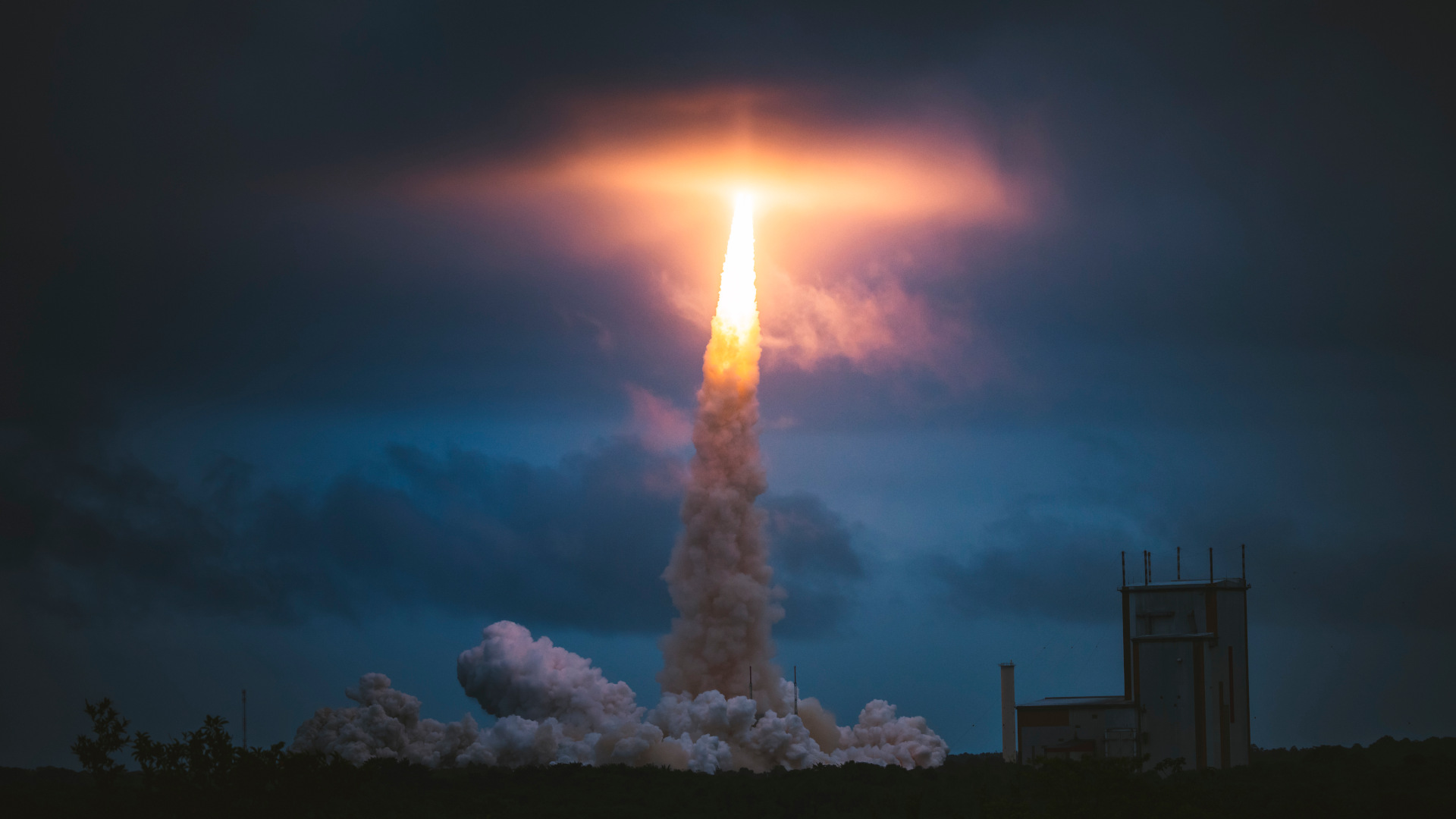
What Does the Bible Say About Space Exploration? Have you ever wondered what the Bible has to say about humanity’s efforts to explore space? While the Bible may not explicitly mention space exploration as we know it today, it does provide insights and principles that can guide our understanding of this fascinating endeavor. In this blog post, we will explore the benefits of space exploration from a biblical perspective and uncover how it aligns with God’s plan for humanity’s growth, knowledge, and stewardship of His creation. Join us as we delve into this thought-provoking topic and discover the spiritual and practical implications of venturing beyond our earthly boundaries.
Understanding the Bible’s Perspective on Space Exploration: A Divine Insight.
What Does the Bible Say About Space Exploration
The Bible, as a religious text, does not specifically mention space exploration since it was written in a time when scientific advancements like space travel were unimaginable. However, there are several passages that can be interpreted to shed light on the topic.
1. Genesis 1:28 – “God blessed them and said to them, ‘Be fruitful and multiply! Fill the earth and subdue it! Rule over the fish of the sea and the birds of the air and every creature that moves on the ground.'” This verse implies that God gave humans dominion over the Earth and its creatures. Some interpret this as an indication that humans should explore and understand the world around them, including space.
2. Psalms 19:1 – “The heavens declare the glory of God; the skies proclaim the work of his hands.” This verse suggests that the wonders of the universe serve as a testament to God’s greatness. Space exploration allows us to witness the vastness and complexity of the cosmos, reinforcing our awe for God’s creation.
3. Isaiah 40:26 – “Lift up your eyes and look to the heavens: Who created all these? He who brings out the starry host one by one and calls forth each of them by name. Because of his great power and mighty strength, not one of them is missing.” This passage emphasizes God’s power and knowledge of the celestial bodies. It encourages us to marvel at the stars and recognize God’s hand in their creation.
4. Colossians 1:16 – “For in him all things were created: things in heaven and on earth, visible and invisible, whether thrones or powers or rulers or authorities; all things have been created through him and for him.” This verse asserts that all things, including the heavens, were created by God and for His purposes. It implies that exploring space can be a way to gain a deeper understanding of God’s creation and purpose.
While the Bible does not explicitly address space exploration, it provides principles and perspectives that can guide our understanding of this field. Christians can view space exploration as an opportunity to marvel at God’s creation, deepen their understanding of His power and purpose, and appreciate the intricate design of the universe.
Does the Bible mention any other planets?
The Bible does not specifically mention any other planets in the context of the celestial bodies that we know today. The focus of the biblical texts is primarily on the Earth and its relationship with God and humanity. However, there are passages that describe the heavens and the stars as part of God’s creation.
One such passage is found in Psalm 19:1-4 (NIV):
“The heavens declare the glory of God;
the skies proclaim the work of his hands.
Day after day they pour forth speech;
night after night they reveal knowledge.
They have no speech, they use no words;
no sound is heard from them.
Yet their voice goes out into all the earth,
their words to the ends of the world.”
This verse highlights the beauty and majesty of the heavens and suggests that they testify to God’s presence and power. While it doesn’t explicitly mention other planets, it acknowledges the vastness and wonder of the universe.
It’s also worth noting that the biblical authors wrote from the understanding and knowledge available to them at the time. The concept of other planets as distinct celestial bodies was not well-developed during ancient times. Therefore, the absence of explicit mentions of other planets in the Bible should be understood in that historical and cultural context.
What does the Bible say about the universe?
The Bible doesn’t provide a detailed scientific explanation of the universe, but it does mention several aspects that give us insights into its creation and purpose. In the book of Genesis, it is stated that “In the beginning, God created the heavens and the earth” (Genesis 1:1). This verse affirms that God is the ultimate Creator of the universe.
The Bible also speaks about the vastness and complexity of the universe. Psalm 19:1 says, “The heavens declare the glory of God; the skies proclaim the work of his hands.” This verse emphasizes that the universe itself testifies to God’s power and creativity.
Furthermore, the Bible mentions God’s sovereignty over the universe. Colossians 1:16-17 states, “For in him all things were created: things in heaven and on earth, visible and invisible, whether thrones or powers or rulers or authorities; all things have been created through him and for him. He is before all things, and in him all things hold together.” These verses highlight that God not only created the universe but also sustains and governs it.
While the Bible may not provide specific scientific details about the universe, it emphasizes the divine origin, purpose, and ongoing involvement of God in the creation. It encourages believers to marvel at the wonders of the universe and recognize God’s handiwork in it.
Does the Bible talk about taking care of the planet?
Yes, the Bible does talk about taking care of the planet. In the book of Genesis, God entrusts humans with the responsibility to subdue and have dominion over the Earth (Genesis 1:28). This implies that we are stewards of God’s creation and have a duty to care for it.
Furthermore, in the book of Leviticus, there are laws given by God to the Israelites regarding land and environmental stewardship. For example, there is a commandment to allow the land to rest every seventh year, known as the Sabbath year, to give it time to rejuvenate (Leviticus 25:4). Additionally, there were regulations on how to properly use and preserve natural resources, such as not completely depleting olive trees or vineyards (Deuteronomy 20:19-20).
The Bible also emphasizes the importance of compassion for all living creatures. In the book of Proverbs, it says that a righteous person cares for the needs of their animals (Proverbs 12:10). Moreover, the apostle Paul writes in his letter to the Romans that all creation eagerly waits for the revelation of God’s children and the liberation from decay (Romans 8:19-21).
In summary, while the Bible may not explicitly address modern environmental concerns, it does provide principles and teachings that encourage responsible stewardship of the planet and a compassionate attitude towards all living creatures.
What does the Bible say about traveling the world?
The Bible does not explicitly mention traveling the world as we know it today. However, there are several passages that speak about journeys and exploring new places. One notable example is found in the book of Acts, where the apostle Paul embarked on missionary journeys to various cities and regions, spreading the message of Christ.
In Acts 1:8, Jesus tells his disciples, “But you will receive power when the Holy Spirit comes upon you. And you will be my witnesses, telling people about me everywhere—in Jerusalem, throughout Judea, in Samaria, and to the ends of the earth.” This verse emphasizes the importance of sharing the gospel with people from all nations and cultures, suggesting that traveling and reaching out to different parts of the world is a valuable endeavor for believers.
Another relevant passage is found in Mark 16:15, where Jesus instructs his disciples, “Go into all the world and preach the Good News to everyone.” This commandment encourages Christians to go beyond their comfort zones and take the message of salvation to all corners of the earth.
Additionally, the Bible often speaks about the value of gaining knowledge and wisdom through experiences. Proverbs 18:15 states, “Intelligent people are always ready to learn. Their ears are open for knowledge.” Traveling can provide opportunities for personal growth, cultural understanding, and learning from different perspectives.
While the Bible may not directly address modern-day travel, these verses demonstrate that exploring new places, sharing the gospel, and seeking knowledge are all encouraged in the Christian faith.
FAQs
What does the Bible say about the possibility of life on other planets?
The Bible does not specifically address the possibility of life on other planets.
Does the Bible provide any guidance on whether humans should explore space?
Yes, the Bible does not specifically address the topic of space exploration.
Is there any mention in the Bible about the origin and nature of the universe?
Yes, the Bible does mention the origin and nature of the universe. In the book of Genesis, it states that God created the heavens and the earth (Genesis 1:1). It describes how God spoke everything into existence over a span of six days. This account provides a theological understanding of the beginning of the universe according to the Bible.