
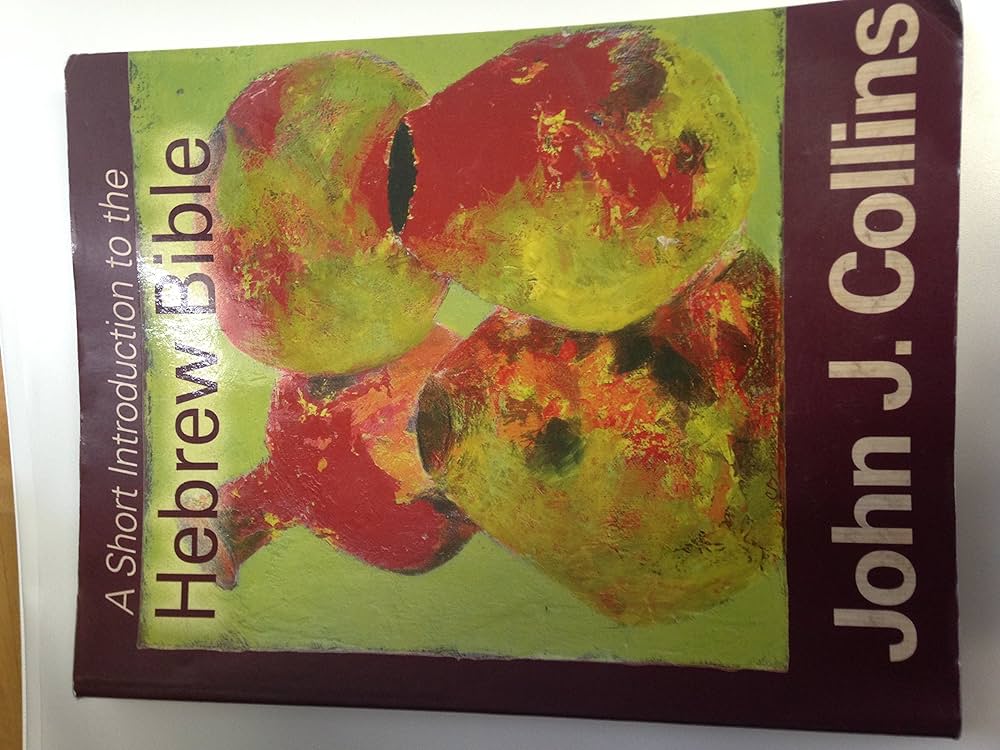
Are you looking to deepen your understanding of the Hebrew Bible? If so, we have a treat for you! In this blog post titled “John J Collins: A Short Introduction to the Hebrew Bible,” we will explore the invaluable insights and expertise of renowned scholar John J Collins. With his extensive knowledge and engaging writing style, Collins provides readers with a concise yet comprehensive overview of the Hebrew Bible. Whether you’re a seasoned scholar or a curious beginner, Collins’ work is sure to enrich your understanding and appreciation of this ancient text. Join us on this enlightening journey as we delve into the fascinating world of the Hebrew Bible through the lens of John J Collins.
Discover the Intriguing Journey of the Hebrew Bible with John J Collins: A Short Introduction
John J. Collins’ “A Short Introduction to the Hebrew Bible” is a comprehensive and illuminating exploration of the foundational text of Judaism and an essential resource for anyone seeking to understand the Hebrew Bible in its historical and cultural context.
In this book, Collins provides a thorough examination of the Hebrew Bible, also known as the Old Testament, from multiple perspectives – historical, literary, and theological. He guides readers through the various books of the Hebrew Bible, discussing their origins, authorship, themes, and significance.
Collins begins by delving into the historical background of the Hebrew Bible, exploring its ancient Near Eastern context and the complex interplay between different cultures and religious traditions. He highlights the importance of understanding the historical and social circumstances in which the biblical texts were written in order to fully grasp their meaning and purpose.
The author then takes readers on a journey through the different genres found within the Hebrew Bible, such as narrative, prophecy, poetry, wisdom literature, and law. He analyzes the unique characteristics of each genre and how they contribute to the overall message of the text. Collins also explores the ways in which these genres were influenced by surrounding cultures and how they evolved over time.
One of the strengths of Collins’ work is his attention to the diverse voices and perspectives within the Hebrew Bible. He acknowledges the multiple authors and redactors who shaped the biblical texts, highlighting the rich tapestry of voices that contribute to the overarching narrative. This approach allows readers to appreciate the complexity and depth of the Hebrew Bible and avoid simplistic interpretations.
Collins also addresses key theological and ethical themes present in the Hebrew Bible. He discusses concepts such as covenant, justice, and the nature of God, examining how these ideas are developed throughout the biblical texts and their enduring relevance for contemporary readers.
Throughout the book, Collins incorporates the latest scholarship and archaeological discoveries, engaging with current debates and interpretations. His writing is clear and accessible, making complex ideas understandable for both scholars and general readers alike. The book is also supplemented with helpful maps, charts, and illustrations that aid in visualizing the historical and geographical contexts of the Hebrew Bible.
In conclusion, John J. Collins’ “A Short Introduction to the Hebrew Bible” is an indispensable resource for anyone seeking a deeper understanding of the foundational text of Judaism. With its comprehensive coverage, nuanced analysis, and engaging writing style, this book provides readers with the tools to navigate the complexities of the Hebrew Bible and appreciate its enduring significance.
FAQs
What is the purpose of John J Collins’ “A Short Introduction to the Hebrew Bible”?
The purpose of John J Collins’ “A Short Introduction to the Hebrew Bible” is to provide a concise and comprehensive overview of the Hebrew Bible, also known as the Old Testament, for readers who are new to or seeking a deeper understanding of this religious text. It covers various aspects including its historical, literary, and theological dimensions.
Who is the target audience for this book?
The target audience for the Bible is everyone.
What are some key topics covered in the book?
Some key topics covered in the Bible include: creation, sin and redemption, the Ten Commandments, the life of Jesus Christ, salvation, love, forgiveness, prayer, the Holy Spirit, and the end times.