
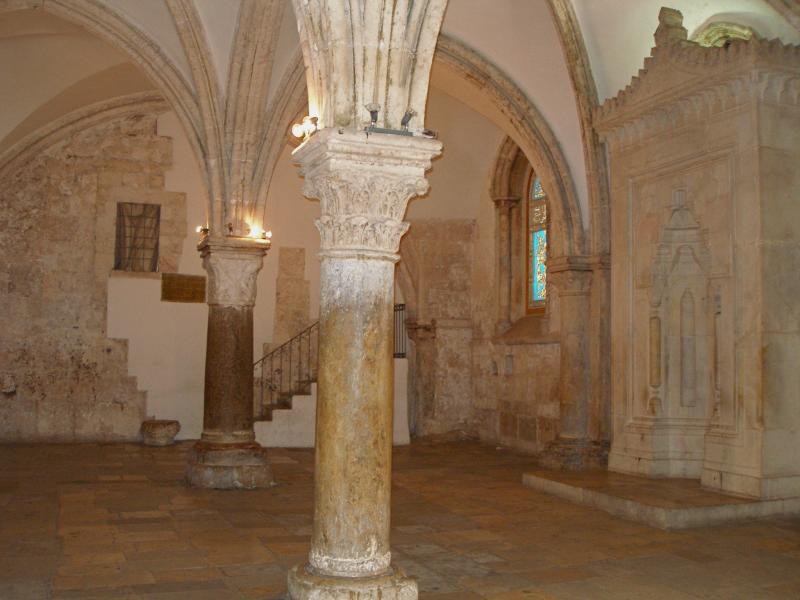
Have you ever wondered what the Upper Room in the Bible is all about? In this blog post, we will explore the significance of the Upper Room in biblical history and its relevance for us today. Discover the rich spiritual insights and lessons we can glean from this sacred space, and deepen your understanding of the power and presence of God in our lives. Join us on this journey as we uncover the hidden treasures of the Upper Room in the Bible.
Unlocking the Mystery: Exploring the Significance of the Upper Room in the Bible
The Upper Room is a significant location mentioned in the Bible, particularly in the New Testament. It holds both historical and symbolic importance in Christian tradition. The Upper Room is referenced in the Gospels of Mark, Luke, and Matthew as the place where Jesus had his Last Supper with his disciples before his crucifixion.
In the Book of Acts, the Upper Room is described as the gathering place for the disciples following Jesus’ ascension into heaven. It is in this room that the Holy Spirit descended upon the disciples on the day of Pentecost, empowering them to spread the message of Christianity to the world.
The Upper Room is often seen as a symbol of community, prayer, and the beginning of the Christian Church. It represents a sacred space where believers come together to worship, pray, and receive spiritual guidance. The events that took place in the Upper Room are considered pivotal moments in the foundation of the Christian faith.
Throughout history, the Upper Room has been commemorated and revered by Christians as a place of pilgrimage and reflection. Today, there are various sites around the world that claim to be the location of the original Upper Room, including the Cenacle in Jerusalem.
Overall, the Upper Room holds a special place in Christian theology and serves as a reminder of the transformative power of faith and the presence of the Holy Spirit in the lives of believers.
What is the meaning of upper room in the Bible?
In the Bible, the term “upper room” refers to a specific location mentioned in the New Testament. The most notable reference to the upper room is in the Book of Acts, where it is described as the place where the disciples gathered after the ascension of Jesus. This room is also where the Holy Spirit descended upon the disciples on the day of Pentecost.
The upper room is often seen as a symbol of spiritual preparation, unity, and empowerment among believers. It represents a space of prayer, fellowship, and anticipation of the outpouring of the Holy Spirit.
Overall, the upper room holds significance in the Bible as a sacred place where the early Christians experienced the presence and power of God in a profound way.
What did Jesus teach in the upper room?
In the Bible, Jesus taught his disciples several important lessons in the upper room before his crucifixion. One of the key teachings was the importance of love and servanthood. Jesus demonstrated this by washing the disciples’ feet, showing that true leadership involves humility and serving others.
Another important teaching in the upper room was about the Holy Spirit. Jesus promised to send the Holy Spirit to guide and empower his followers after he ascended to heaven. He explained that the Holy Spirit would teach them all things and remind them of everything he had said to them.
Jesus also spoke about unity and community among his followers. He prayed for his disciples to be united as one, just as he and the Father are one. This emphasized the importance of love and unity within the body of believers.
Overall, the teachings in the upper room emphasized the foundational principles of love, servanthood, the Holy Spirit, unity, and community that were essential for the disciples to carry out the mission of spreading the gospel after Jesus’ departure.
Why were the Apostles hiding in the upper room?
The Apostles were hiding in the upper room out of fear following the crucifixion of Jesus. They were afraid that they would also be arrested and executed by the authorities who had put Jesus to death. This fear led them to stay indoors and keep a low profile, unsure of what would happen next. However, their time in hiding ended when the Holy Spirit descended upon them at Pentecost, empowering them to boldly proclaim the message of Jesus despite the risks.
What is the mystery of the upper room?
The mystery of the upper room in the Bible is centered around the events that took place in Acts 1:13-14. After Jesus ascended into heaven, His disciples gathered in an upper room in Jerusalem. Here, they devoted themselves to prayer with one mind, along with Mary, the mother of Jesus, and other women and brothers.
This upper room became the birthplace of the early Christian church as the Holy Spirit descended upon the disciples on the day of Pentecost. The disciples were filled with the Holy Spirit, enabling them to speak in different languages and boldly proclaiming the Gospel to all who were present.
The upper room symbolizes a place of unity, prayer, and anticipation for the outpouring of the Holy Spirit. It represents a space where believers come together in faith and expectancy, waiting for God’s promises to be fulfilled. The mystery lies in the transformation that occurred within the disciples as they were empowered by the Holy Spirit to carry out the mission of spreading the Gospel to the ends of the earth.
Overall, the upper room serves as a powerful reminder of the importance of unity, prayer, and the empowering presence of the Holy Spirit in the life of the Church.
FAQs
What significance does the Upper Room hold in the Bible?
The Upper Room in the Bible holds significance as the location where Jesus shared the Last Supper with his disciples before his crucifixion, and where the Holy Spirit descended upon the apostles on the day of Pentecost.
Who were present in the Upper Room during the events described in the Bible?
Jesus’ disciples were present in the Upper Room during the events described in the Bible.
Why is the Upper Room mentioned multiple times in the Bible?
The Upper Room is mentioned multiple times in the Bible because it was a significant location where important events in the early Christian church took place, such as the Last Supper and the Pentecost.